Harness Engineering
or
How to Keep Agents On Track
iurysouza.dev
About me
- • Google Dev Expert
- • Co-host @ Fragmented-AI
- • Platform Engineering @ SumUp

iurysouza.dev
Non deterministic Coding
“They’ve done studies, you know?
60% of the time, it works every time”
- Brian Fantana (Anchorman)

Non deterministic Coding
- • Agents are writing more and more code
- • They write solid code, until they don’t
- • New bottlenecks
- •Keeping code quality
- •Steering
- •Containing blast radius
Non deterministic Coding
- • Platform Teams attempts to keep quality standards for developers
- • Harness Engineering does that for agents
Non deterministic Coding
- • Prompt Engineering
- • Context Engineering
- • Harness Engineering
Non deterministic Coding
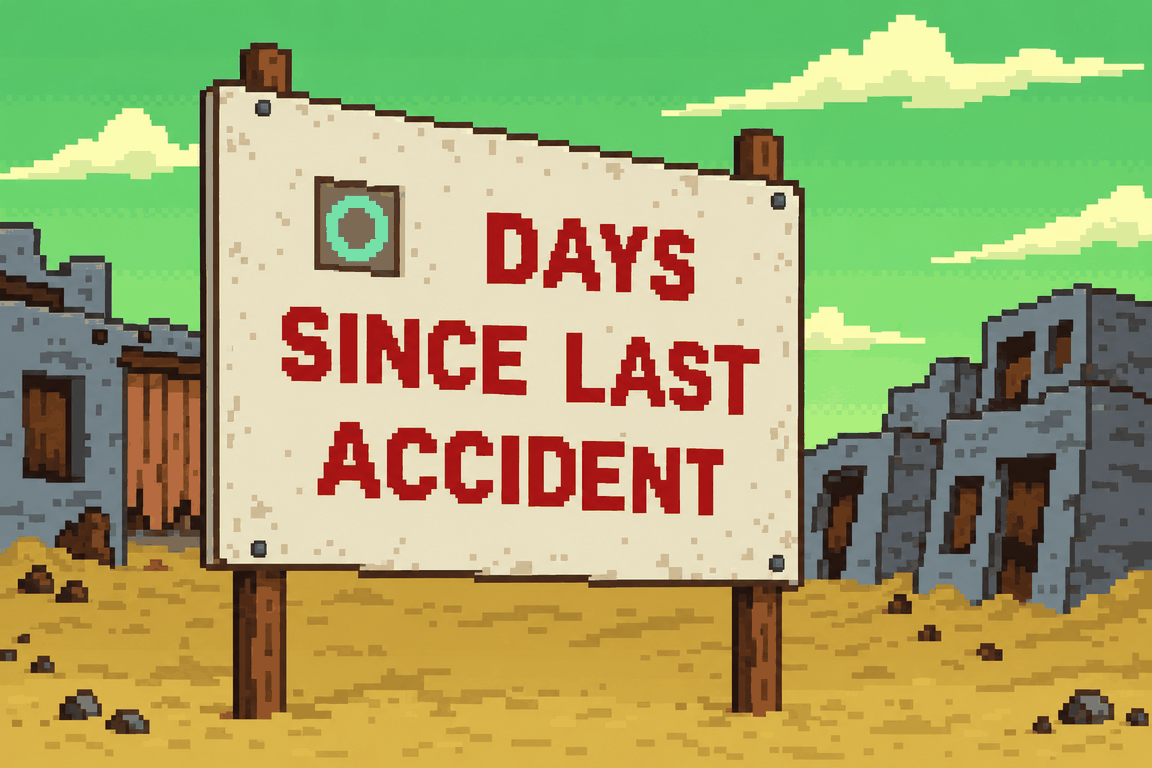

How we got Here
The Anthropic Moment
The Anthropic Moment
Feb 2025: Claude Code
- • Claude Code preview: Feb 25
- • Claude 3.7 Sonnet launch
- • TUI / CLI based agent
The Anthropic Moment
Nov 2025: Opus
- • Opus 4.5
- • Step change in quality
- • Model can prompt itself
- • Improved planning mode
The Anthropic Moment
Holidays: Claude Code + Opus
- • The IDE starts losing ground
- • The harness was the main improvement
- • Competition shows up
- •Codex · Opencode · Amp · Pi
- •Gemini CLI · Copilot CLI · Cursor CLI · Droid · Crush
- •Goose · Kiro · Qwen Code · Kimi CLI · Cline CLI
- • It’s not magic
- • The harness matters more than the model
What is a harness anyway?
It’s all about control
What is a harness
(…) a set of straps and fittings used to control an animal (…)
- • Control
- • Direction
- • Constraints
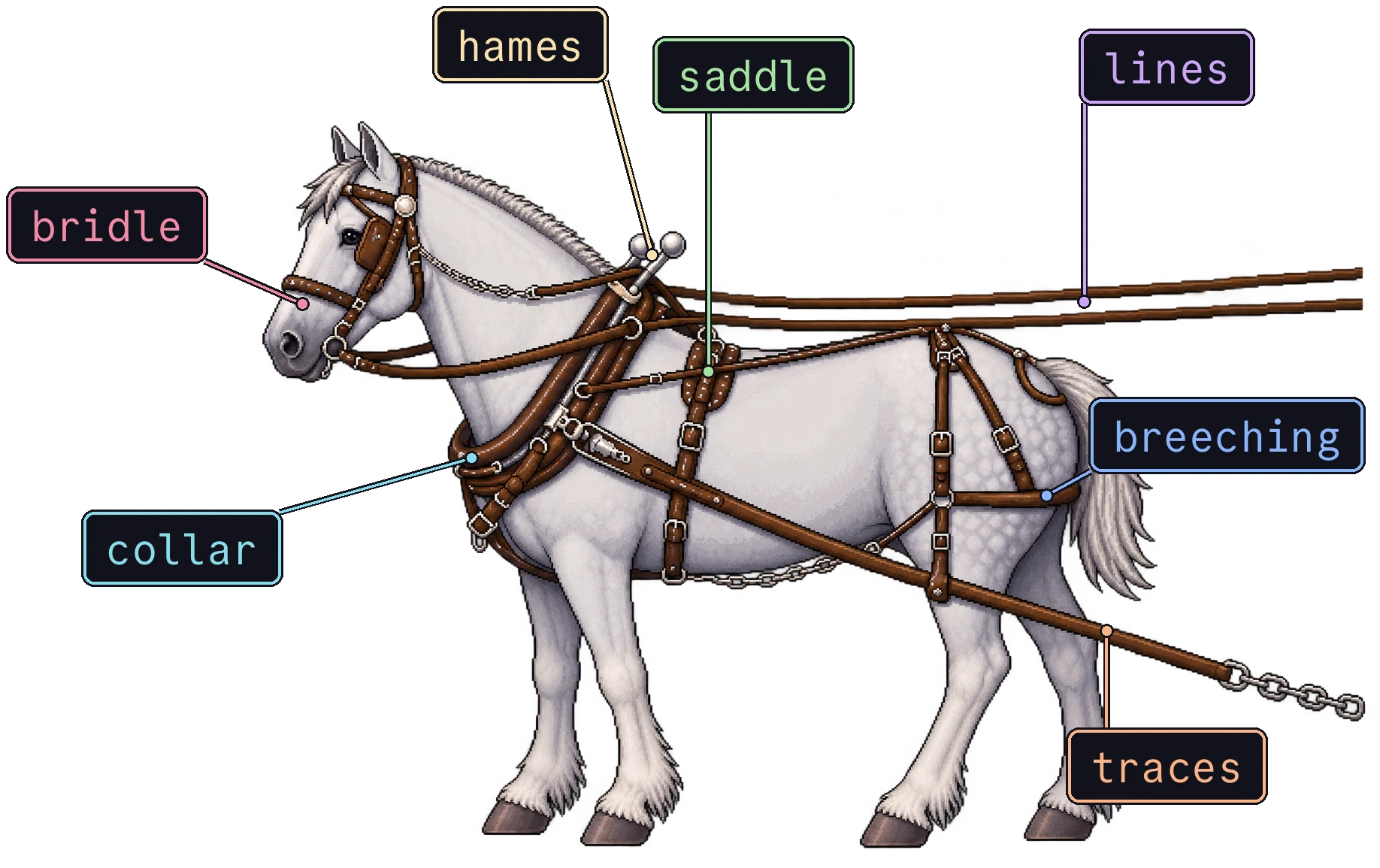
A horse Harness
A model alone can’t do anything
Text in, text out
- • It can’t read your files
- • It can’t run your tests
- • It can’t call an API
- • To act in the world, it needs tools
Stacking Loops
What agents are made of
ReAct
Reasoning + Acting
- • One pattern emerged: think, then act
- • Reason → act → observe → repeat
- • The harness runs that loop
Stacking Loops
Why this works?
- • Non deterministic -> deterministic
- • Code is verifiable
- • Feedback loop
Should I build a Harness?
Short answer: no
- • You can customize it
- • You can extend it
- • You can build infrastructure for it
Your harness
Four things you can add
- • AGENTS.md
- • A skill
- • A hook
- • An extension
Guides and sensors
Before it acts, after it acts
- • Guides steer before the agent acts
- • They make the first try right more often
- • Sensors check after the agent acts
- • They make a second try possible
Computational or inferential
Who does the checking?
- • Computational: deterministic
- • Fast, cheap, same answer every time
- • Inferential: non-deterministic
- • Can judge meaning, but slower and can be wrong
Same mistake twice?
Fix the harness first, then the code
Closing the Loop
How to leverage the harness to make the agent smarter
Closing the Loop
Give the agent senses
- • Observability enables self correction
- • Design agent friendly tools, CLIs/MCPs
- • Favor them over raw text instructions
Closing the Loop
Give the agent senses
- • Machine Readable Output
- • Self describing schemas
- • Safety rails against hallucinations
- • Instrument the repository for agents
Closing the Loop
Give the agent senses
- • Token Efficiency
- • Reliability
- • Reproducibility
- • Auditable
Every app needs its own harness
Even OpenAI couldn't ship an empty box
- • Teams add their own skills and plugins
- • Experts bring the taste
- • Docs live next to the code
- • Your app is a domain-specific harness
Two camps
Why work on a harness at all?
- • The bitter lesson: wait for a better model
- • Neuro-symbolic: the model needs code around it
The bitter lesson
Wikipedia
“In the long run, general approaches that scale with available computational power tend to outperform ones based on domain-specific understanding.”
The bitter lesson
Rich Sutton, 2019
“Building in how we think we think does not work in the long run.”
Neuro-symbolic AI
Wikipedia
“Combines neural networks and symbolic AI … to create more robust, more reliable, and more trustworthy AI.”
Neuro-symbolic
Gary Marcus, 2026
“Claude Code isn’t better because of scaling. It’s better because it is neurosymbolic.”
Bigger, not smaller
Thariq Shihipar, Anthropic
“The models get better and better. And so the harness needs to become more and more complicated to allow the model to do more things.”
The middle ground
Both are right, about different layers
- • Scaffolding that teaches it to think: the next model eats it
- • Checks that connect it to your world: they stay
- • Don’t teach the model to think. Give it ways to check.
Human input
Direct it, don't remove it
“A good harness should not necessarily aim to fully eliminate human input, but to direct it to where our input is most important.”
Platform Engineering
And the tragedy of the commons
Platform Engineering
The tragedy of the commons
An economic and ecological concept describing how individuals, acting strictly in their own self-interest, deplete or spoil a shared resource, ultimately ruining it for everyone
Platform Engineering
Enables Speed and Cohesion
- • Company Scaling Implications
- •Shared standards
- •Tooling
- •Guardrails
Platform Engineering
Dedicated Agent Infra
- • Fast moving environment
- • Agent Evals and benchmarking
- • Skills versioning and distribution
- • Safely expose company systems for agents
- • Research and Development
Conclusion
Experiment & Iterate
What we covered
The talk in one slide
- • A model alone can't act. The harness gives it a loop.
- • Guides before it acts, sensors after
- • Same mistake twice? Fix the harness first.
- • There is now a new middle loop
- • Someone needs to own the commons
Conclusion
Experiment & Iterate
- • Mastering Harness engineering
- •Enables shipping faster
- •Fewer regressions
- •Lower Organizational drift
- • No one-size-fits-all
- • Start experimenting and find out what works best for your team/org
Sources
Read these next
- • Böckeler, "Harness engineering", martinfowler.com
- • Yao et al., "ReAct", 2022
- • Sutton, "The Bitter Lesson", 2019
- • Marcus, "The biggest advance in AI since the LLM", 2026
Harness Engineering
or
How to Keep Agents On Track
iurysouza.dev
Keep reading
My blog and newsletter
- • More on harnesses, agents and loops
- • iurysouza.dev
- • Link and QR on the last slide
Thank you!
iurysouza.dev
Questions?
iurysouza.dev